




The design industry is evolving rapidly, driven by technology, digital transformation, and changing consumer expectations. As businesses compete for attention in saturated markets, design is no longer optional—it is a strategic advantage. This shift creates powerful opportunities for entrepreneurs and creatives to build future-focused design businesses that combine innovation, technology, and human-centered thinking.
One of the most promising areas is UX/UI design for emerging technologies. With the growth of AI-powered platforms, SaaS products, fintech applications, and immersive digital environments, businesses require intuitive and accessible interfaces. Designers who specialize in user research, interaction design, and product systems can build agencies or consultancy firms focused on solving complex digital challenges. As digital ecosystems expand, the demand for seamless experiences will only increase.
Another strong opportunity lies in brand strategy and visual identity consulting. Startups and growing companies need cohesive branding that communicates trust and differentiation. Beyond logo design, future-focused branding businesses will offer complete identity systems, storytelling frameworks, motion branding, and brand guidelines optimized for digital platforms. Designers who position themselves as strategic partners rather than service providers will stand out.
The rise of AI tools also opens the door to AI-assisted creative studios. Entrepreneurs can offer AI-enhanced content production, automated design systems, personalized marketing visuals, and rapid prototyping services. Instead of replacing designers, AI enables faster execution and scalable creativity. Businesses that combine human creativity with intelligent automation will lead the next phase of the creative economy.
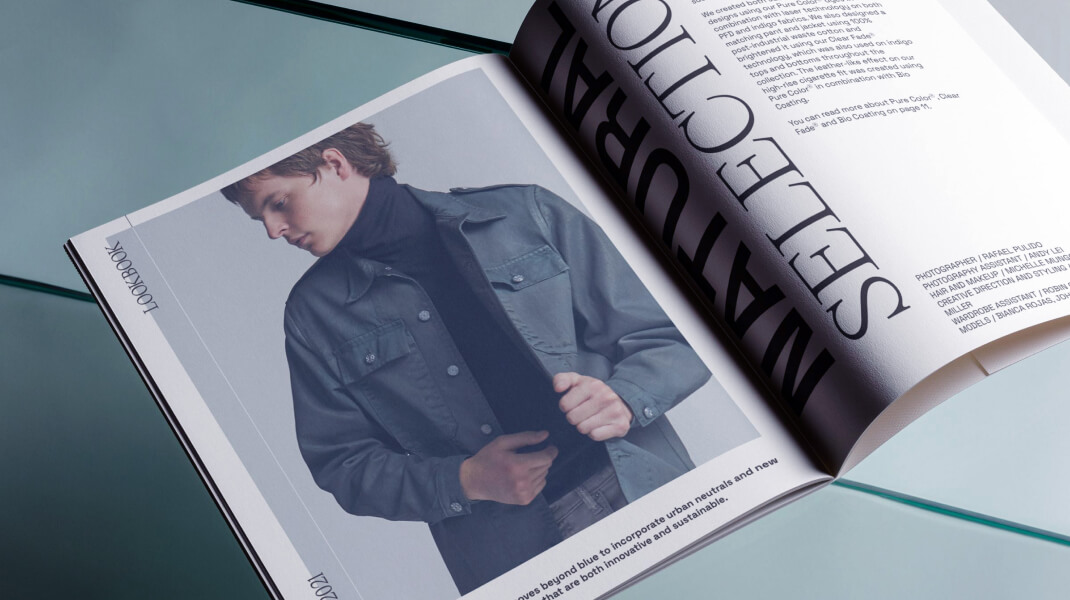
Sustainable and ethical design services are also gaining traction. Eco-conscious packaging design, sustainable product development, and socially responsible branding are increasingly important to modern consumers. Design businesses that prioritize environmental impact, inclusive design standards, and accessibility will attract value-driven brands looking to build long-term trust.
Additionally, niche-focused design businesses present strong potential. Examples include design services for e-learning platforms, health-tech startups, real estate marketing, gaming interfaces, or creator economy brands. Specialization allows designers to build authority in specific industries and command higher-value projects.
The future of design business is not limited to client work alone. Designers can create digital products such as templates, UI kits, brand assets, mockups, design courses, and subscription-based creative resources. Building scalable digital products provides recurring income and global reach.
Ultimately, the future of business in design lies at the intersection of creativity, technology, and strategy. Those who adapt, specialize, and innovate will find endless opportunities in this expanding field. Design is no longer just about visuals—it is about shaping experiences, influencing decisions, and building meaningful brand ecosystems. The next generation of design entrepreneurs will not simply follow trends; they will define them.