


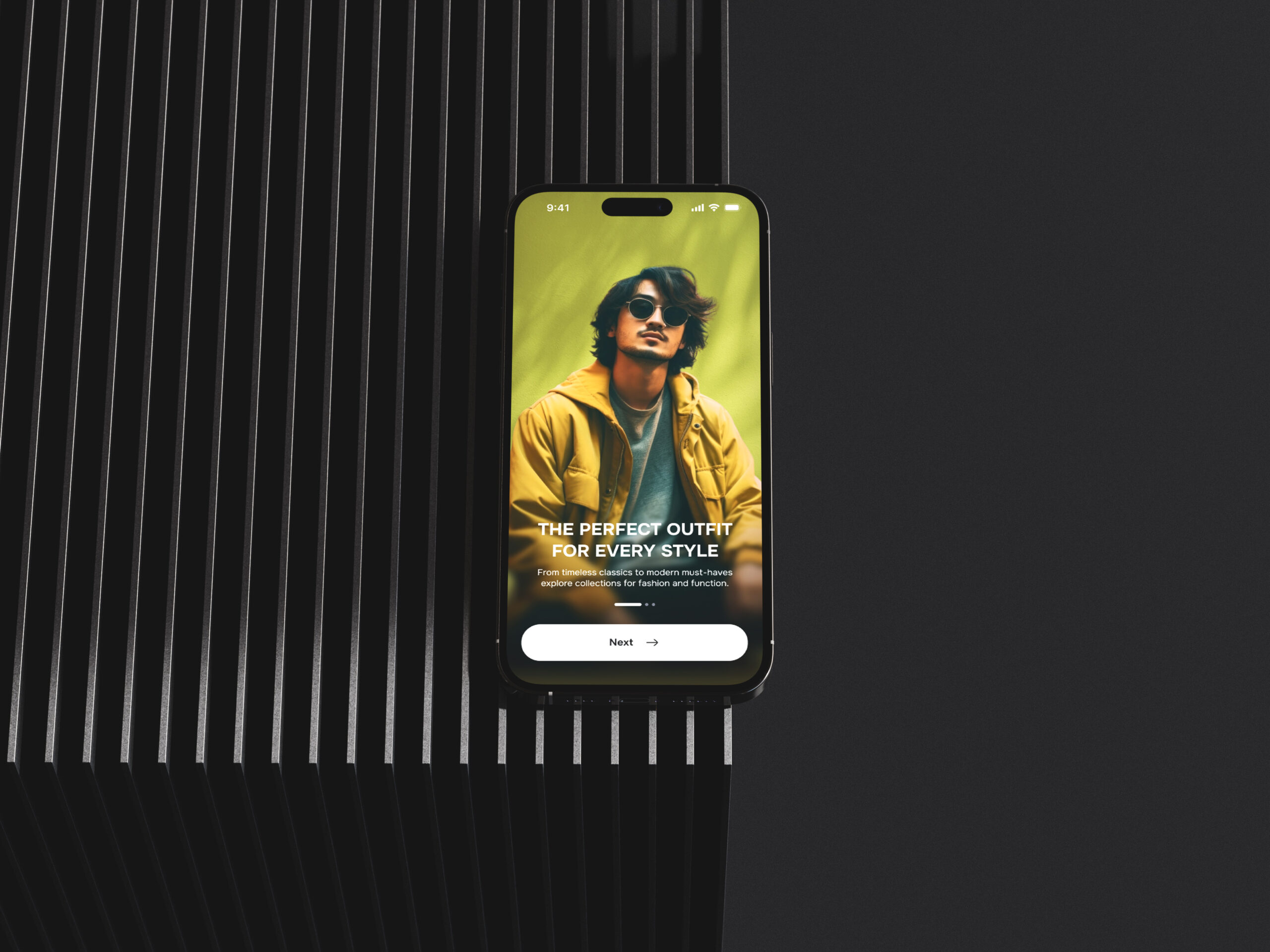

Design is everywhere—from the apps we use daily to the products we buy, the websites we browse, and the physical spaces we inhabit. It touches every part of our lives, often in ways we don’t consciously notice. But great design is more than just aesthetics; it’s about solving problems, creating meaningful experiences, and building genuine connections. At its core, design shapes how people interact with the world and how they feel while doing so. Every element, color, layout, and interaction contributes to an emotional and functional experience that influences behavior, perception, and satisfaction.
Modern design trends increasingly focus on user experience, accessibility, and emotional resonance. Whether it’s a sleek mobile interface, an intuitive website, or a thoughtfully branded product, designers must strike a balance between beauty and functionality. Today’s designers spend time understanding their audience—studying behaviors, motivations, and needs—to ensure that every visual element, interaction, and message creates a meaningful impact. Micro-interactions, responsive layouts, and personalized experiences are all tools that make users feel understood and valued.
At the same time, global considerations are shaping the next wave of design. Sustainability, inclusivity, and cultural relevance are no longer optional—they are expected. Brands are called to reflect values and empathy, not just style. From bold, striking visuals to clean, minimalistic interfaces, every design choice communicates identity, trust, and purpose. Inclusive design ensures that products and experiences are accessible to all, while culturally aware visuals foster connection and relatability across diverse audiences.
Design is also a key tool for storytelling and human connection. Beyond functionality, it shapes narratives, evokes emotions, and guides perception. Every interface, object, or environment can tell a story—of a brand, a community, or a shared human experience. Well-executed design does not just look appealing; it works intuitively, feels satisfying, and helps people engage more meaningfully with the world around them.
In short, design is far more than decoration—it is a strategic, empathetic, and powerful force that drives interaction, trust, and loyalty. In an increasingly digital and interconnected world, design bridges the gap between humans and technology, between people and products, and ultimately, between experiences and emotions.