



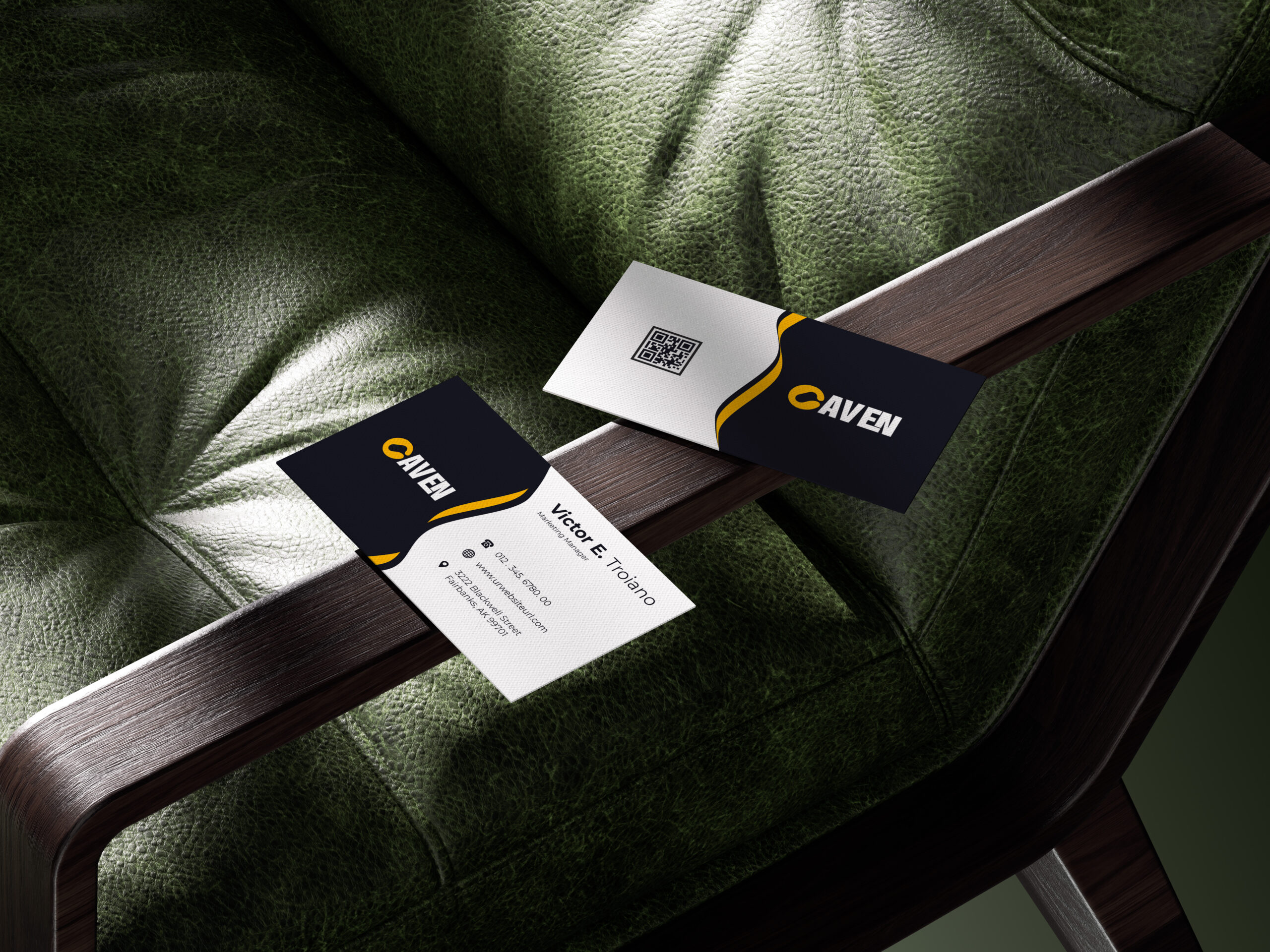

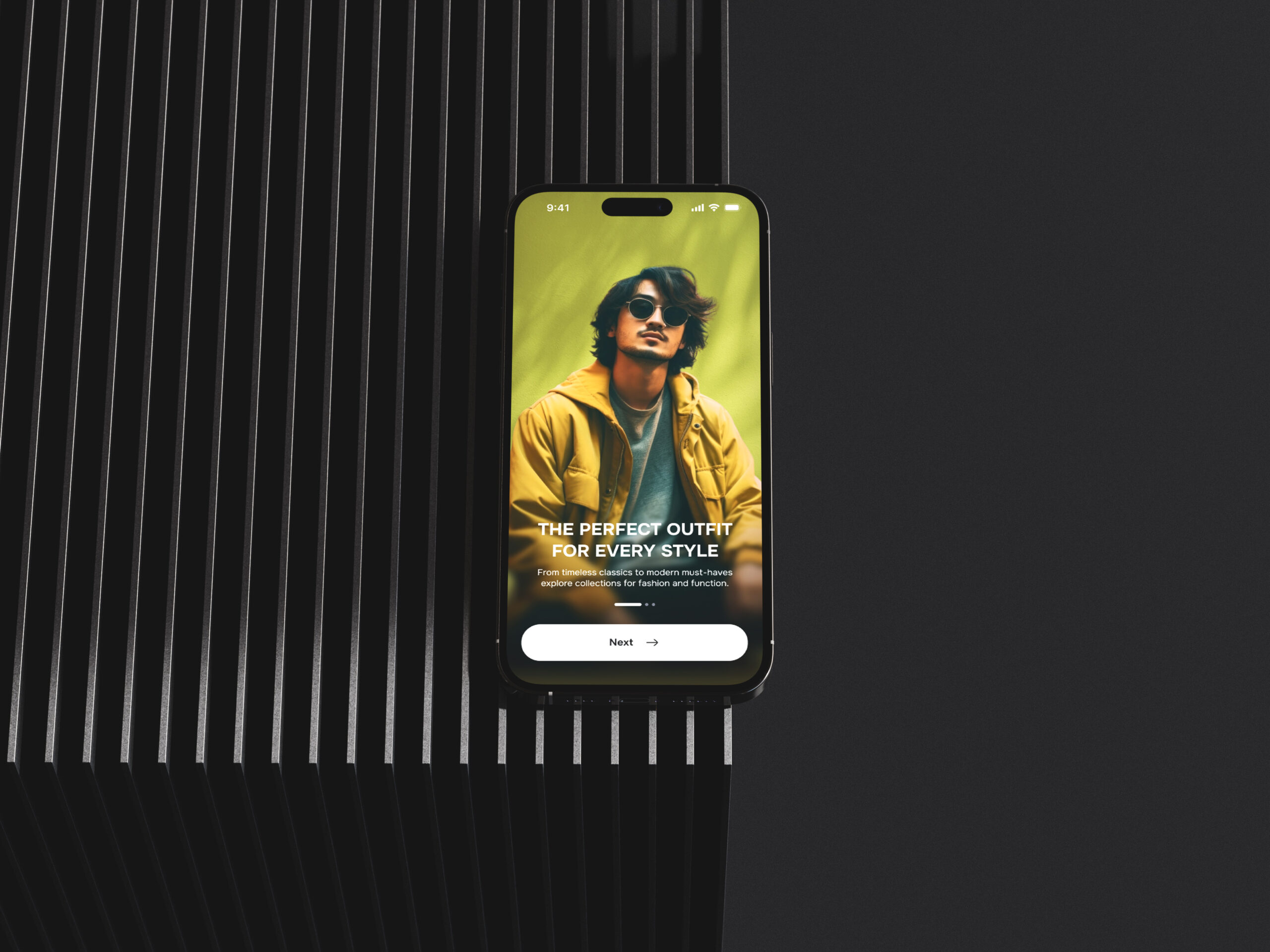

Design isn’t just what you see—it’s how you experience the world. From the smartphone in your hand to the website you browse, the furniture you sit on, and even the packaging of the products you buy, design influences decisions, emotions, and interactions. At its heart, design is about communication, usability, and empathy. A well-designed product or interface tells a story, guides users effortlessly, and creates a lasting impression.
Today, design is evolving beyond visuals and functionality to focus on human-centered experiences. Designers are prioritizing accessibility, intuitive navigation, and emotional resonance, ensuring that every touchpoint feels thoughtful and inclusive. Minimalism, bold typography, immersive visuals, and interactive elements are all tools to make experiences memorable and impactful. But beyond trends, the key is understanding the people you are designing for—their behaviors, needs, and motivations.
Sustainability and ethical considerations are also shaping the design landscape. Consumers increasingly expect brands to reflect values such as environmental responsibility, inclusivity, and cultural sensitivity. Products, interfaces, and campaigns that incorporate these principles build trust and loyalty, showing that design is not just about appearance, but about creating meaningful, positive experiences.
Ultimately, design is a bridge between function and emotion. It transforms ideas into experiences, helps people navigate complex systems effortlessly, and shapes how we perceive brands and products. Good design doesn’t just attract attention—it connects, engages, and inspires. In a world full of choices, design is what makes an experience memorable, relevant, and human.